The Anatomy of Lower Back Pain
Focusing on the Lumbar Region (L1-L5)
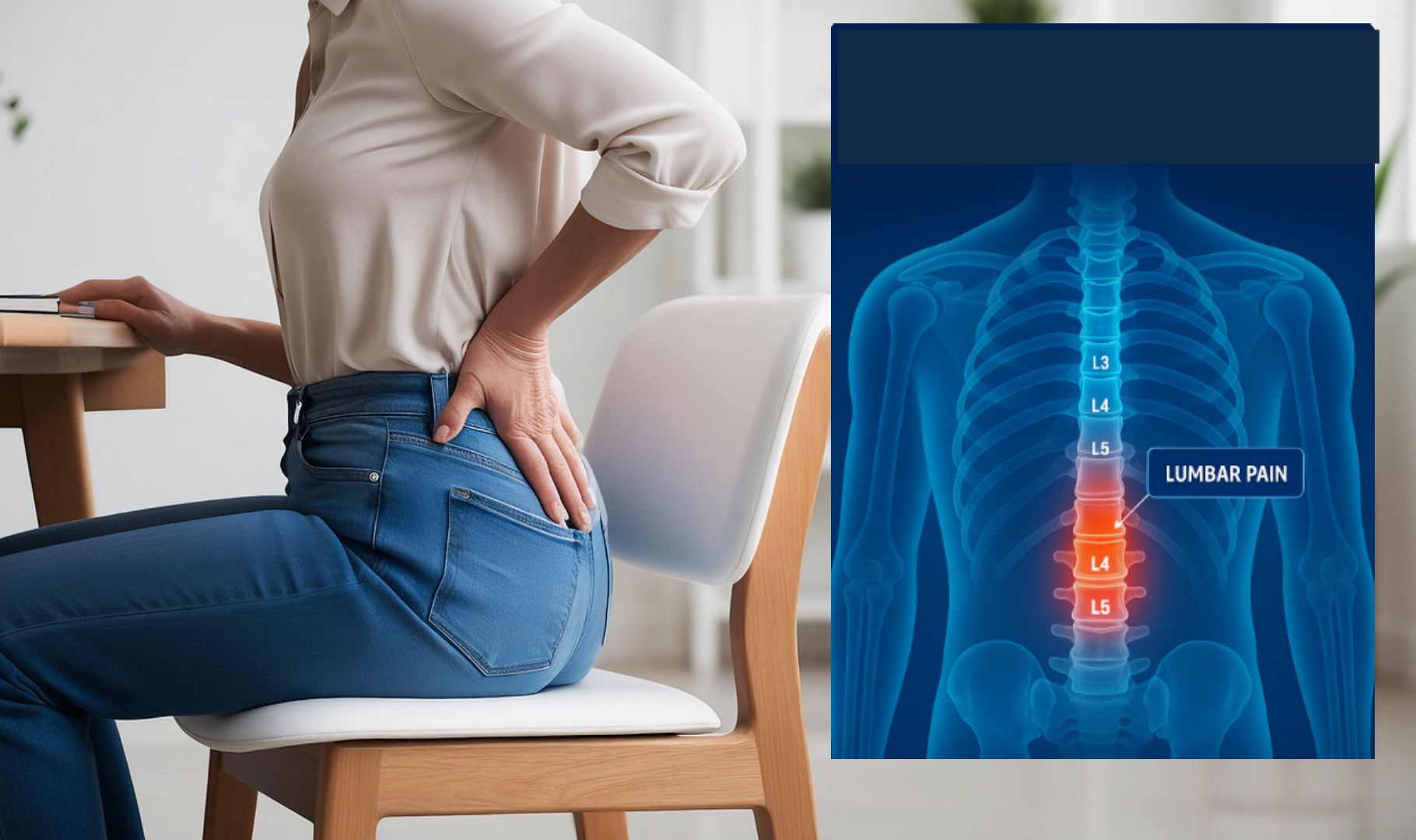
Most lower back pain originates in the lumbar spine—the five powerful vertebrae labeled L1 through L5. These bones support your entire upper body weight and are responsible for nearly every movement you make, from bending and twisting to simply standing upright.
Pain occurs when the relationship between these vertebrae, the cushioning discs, and the surrounding nerves is disrupted. A specialist approach focuses on identifying whether your discomfort is a temporary muscle strain or a structural alignment issue, ensuring you receive the correct protocol for fast, effective relief.
How Your Lower Back Supports You
The lower back is a precision-engineered support system. It relies on the five vertebrae of the lumbar spine (L1-L5) and flexible discs that act as shock absorbers. These discs allow you to move freely while protecting the sensitive nerves that travel from your spine to your legs.
When your spine loses its natural alignment, it creates "mechanical stress." This is like a car out of alignment—it causes uneven wear and tear, leading to inflammation and sharp pain. Our goal is to restore that balance, taking the pressure off your discs and nerves so your body can heal naturally.
"Correcting the physical balance of your spine is the most direct path to lasting relief from lower back discomfort."
What Triggers Lower Back Pain?
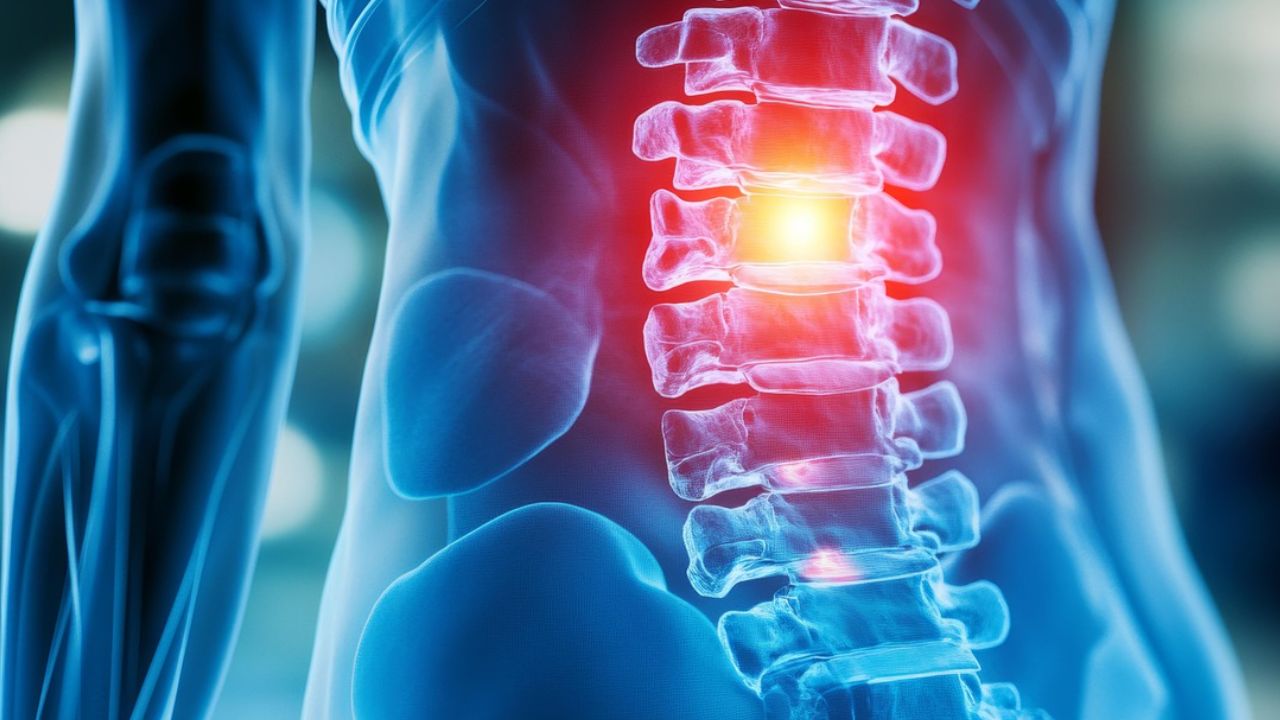
- ✔Physical Strain: Injuries from heavy lifting or sudden twisting.
- ✔Wear and Tear: Natural changes in spinal discs over time.
- ✔Sitting Habits: Stress caused by long hours at a desk or driving.
- ✔Pinched Nerves: Pressure that causes sharp pain or leg numbness.
- ✔Weak Core Muscles: Lack of support for the lower spine during movement.

When to Seek a Specialist Perspective
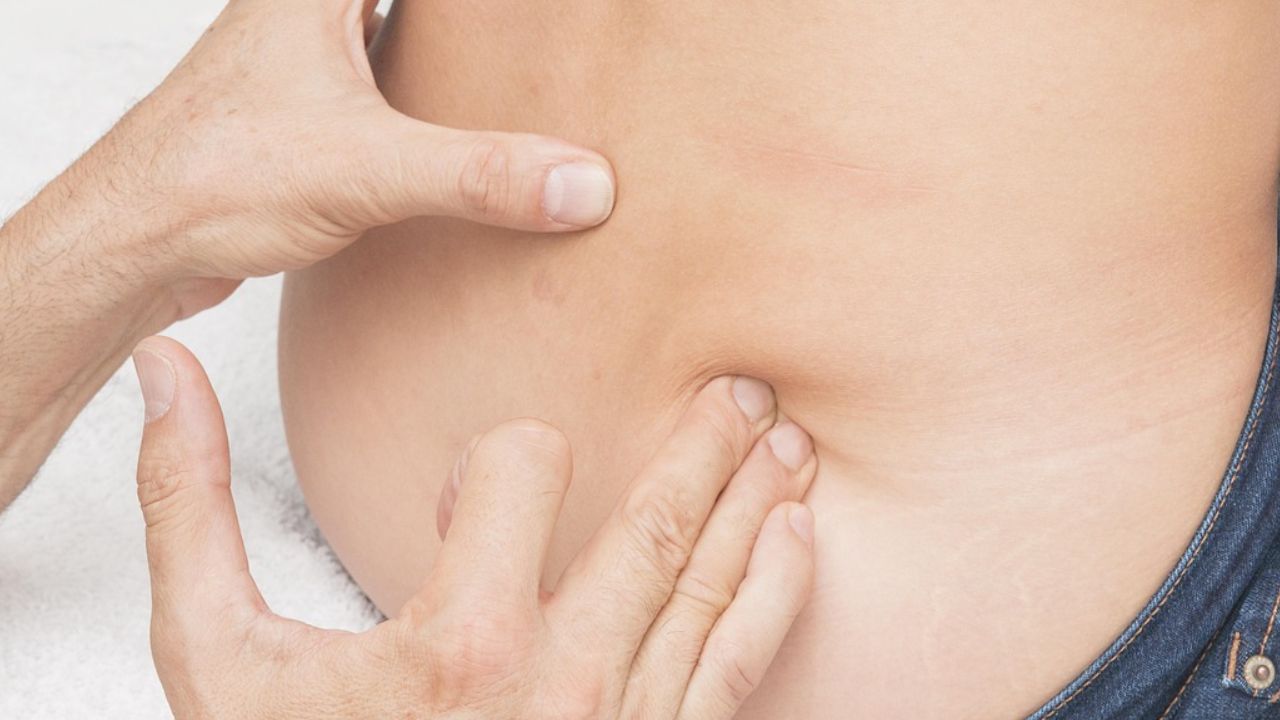
Persistent lower back discomfort is a signal that the structural integrity of the lumbar spine may be compromised. Identifying the mechanical cause of pain is the first step toward avoiding long-term mobility issues.
- Radicular Pain: Sharp sensations traveling into the lower extremities, often indicating nerve root compression.
- Structural Instability: Frequent "episodes" where simple movements cause acute inflammation or loss of mobility.
- Neurological Indicators: Numbness, tingling, or weakness in the legs or feet.
- Chronic Morning Stiffness: Loss of flexibility that persists for more than 30 minutes after waking.
Daily Habits for Spinal Resilience
Clinical research confirms that specific lifestyle modifications can significantly reduce the frequency of chronic pain flare-ups and support the longevity of corrective chiropractic care.
- 01. Active Recovery: Low-impact movement like walking or swimming to promote circulation to the spinal discs.
- 02. Core Stabilization: Targeted strengthening of the transverse abdominis to provide internal bracing for the spine.
- 03. Ergonomic Awareness: Maintaining neutral spinal curvature during prolonged periods of sitting or standing.
- 04. Neurological De-stressing: Utilizing deep breathing and relaxation techniques to reduce systemic muscle tension.